
Capability 02 / Power distribution and HV
Engineered to energise on time.
From 11 kV distribution to 132 kV feeders, autotransformer sites and DNO grid connections. The hidden infrastructure that decides whether a scheme lights up on programme.
- Voltage band
- 11 to 132 kV
- Sectors
- DNO, rail, BESS
- Standards we test to
- ENA and Network Rail
01What we deliver
From feasibility to energisation.
The hidden infrastructure that gets schemes through DNO approval, installation and test on programme.
- 01LV, 11 kV, 33 kV, 66 kV and 132 kV distribution
- 02Substations and switch rooms
- 03Feeder stations and autotransformer sites
- 04DNO grid connections (import and export)
- 05Protection, control and SCADA
- 06Cable installation: ducted, direct buried and in-trough
- 07Testing and commissioning to ENA and Network Rail requirements, including G99 and G5/5
- 08Operational maintenance for private HV networks
02Four phases, one schedule
Feasibility. Design. Build. Commission.
Route selection and DNO liaison are where most HV delays are won or lost. We engage before the connection application is filed, then carry design, build and commissioning through one accountable team.
- Maximum voltage
- 132 kV
- Generation connections
- G99
- From pre-application
- DNO liaison
- Integration
- SCADA
01Feasibility and grid strategy
Route selection is where most HV delays are won or lost.
We work with clients before a connection application has even been made. Route selection, point-of-connection optioneering and DNO liaison set the trajectory of the whole programme. We start here.
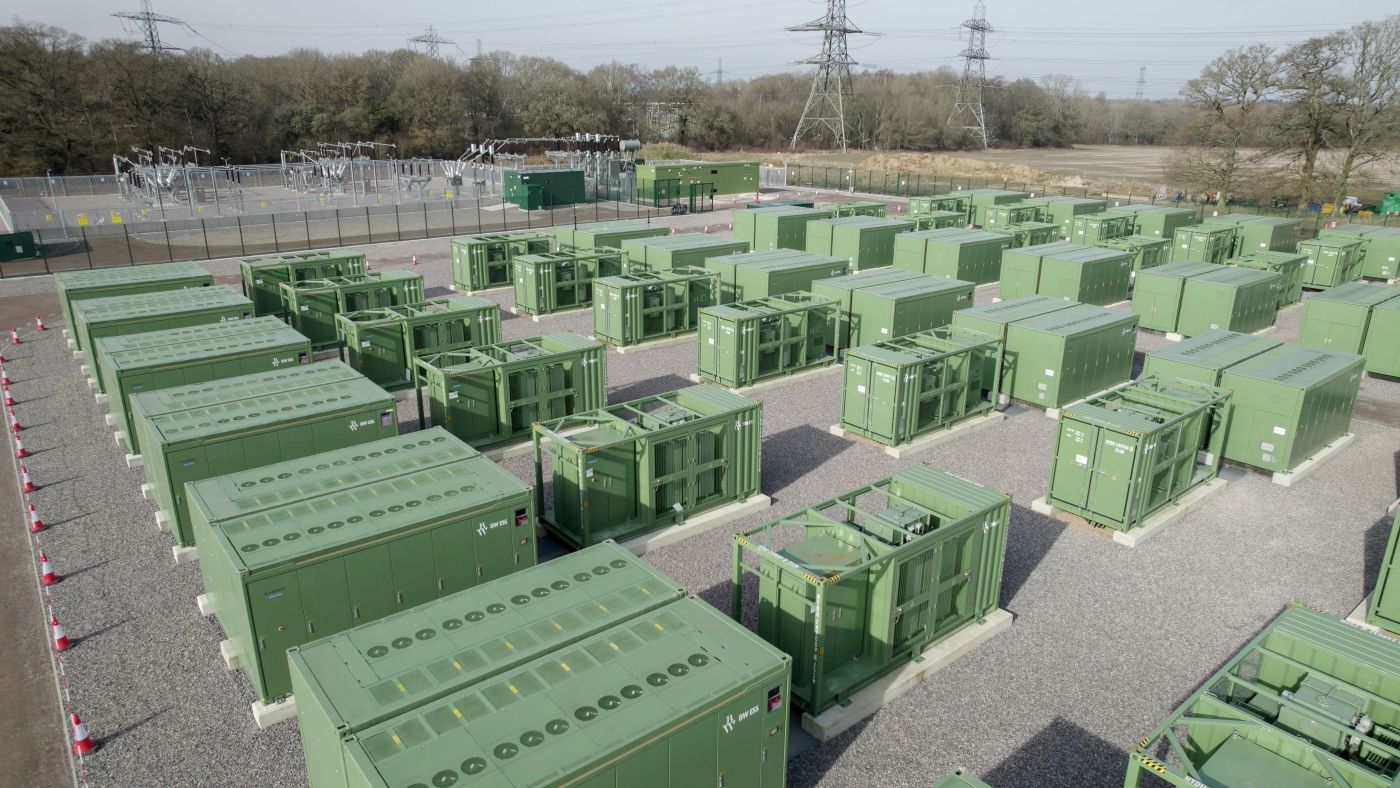
Fig. 4.1A battery storage site, its substation compound and transmission towers beyond: the three things a point-of-connection study has to reconcile. 02Design
Design for buildability, commissioning and audit.
Load studies, protection grading, earthing and bonding, and full detailed design to ENA standards. Our installers will build what we draw. Our commissioning engineers will commission what they install.
Protection grading: time and currentRCI-04-BIndicative curves. Not to scale. Drag sideways to pan. 03Build
Own plant, own crews, own logistics.
Self-delivered civils, cabling, switchgear installation and substation fit-out. Cable pulling through rail troughing, direct burial across rural corridors and ducted installation in urban sites. We run our own cable pulling equipment.
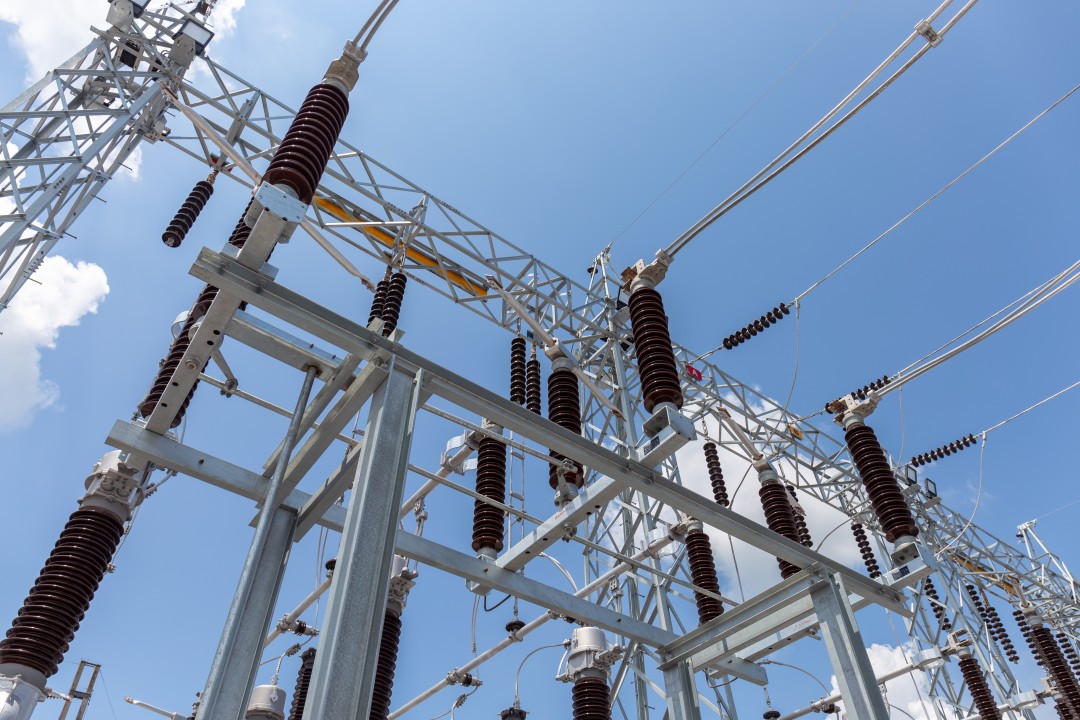
Fig. 4.2Steelwork, busbars and porcelain insulators in an outdoor high-voltage compound. 04Test, commission and maintain
Audit-ready packs. Long-term relationships.
Factory acceptance, site acceptance, point-on-wave commissioning, protection testing and SCADA integration. Then planned maintenance, fault response and emergency call-out for private HV networks.
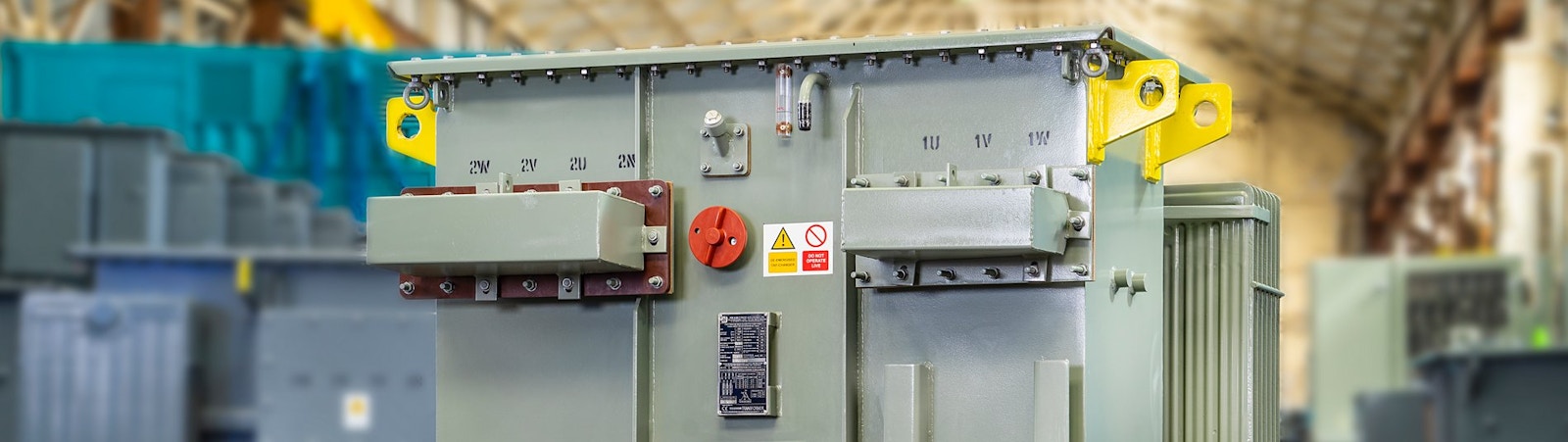
Fig. 4.3In the factory: a distribution transformer, with other units behind it. Factory acceptance happens here, before anything ships. 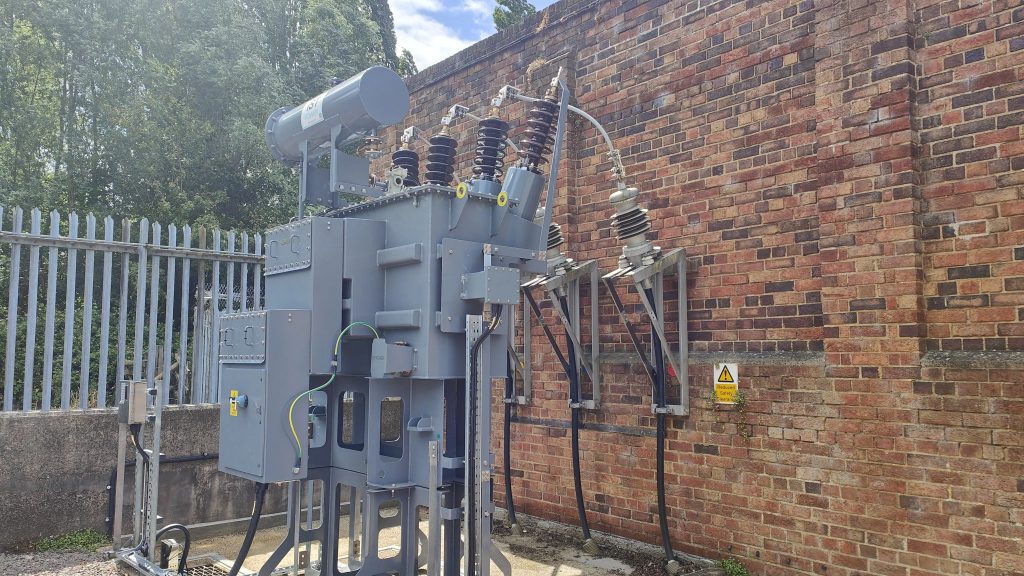
Fig. 4.4On site: a ground-mounted distribution transformer, installed and cabled up.
03Typical scheme
The shape of an HV programme we would take on.
- Voltage band
- 11 kV to 132 kV
- Scope
- Greenfield feeders, brownfield upgrades, grid connections
- Duration
- 6 months to 3 years
- Value band
- £500k to £30m+
- Sectors
- Rail, DNO, renewables, data centres, industrial
04Power and HV projects
Where this capability has been put to work.
Power & HV North
DeliveredFeeder station upgrade programme.
Design and install works to upgrade protection and control on feeder stations supporting mainline AC electrification. Energised without service disruption.
Tier-one alliance
Power & HV North
DeliveredRenewable generation grid connection.
Pre-application route review, detailed design, build and commissioning for a 132 kV import and export grid connection supporting a generation scheme.
Renewables developer
Accredited
- RISQS
- Link-up
- ISO 9001
- ISO 14001
- ISO 45001
- Constructionline
- CHAS
- Achilles UVDB
Next step
Planning a grid connection or HV upgrade? Talk to us before you apply.
Pre-application route reviews, DNO liaison, PQQ and framework support. First response within one working day.